Kindergarten Morning Work May Themed: A Design Deep Dive
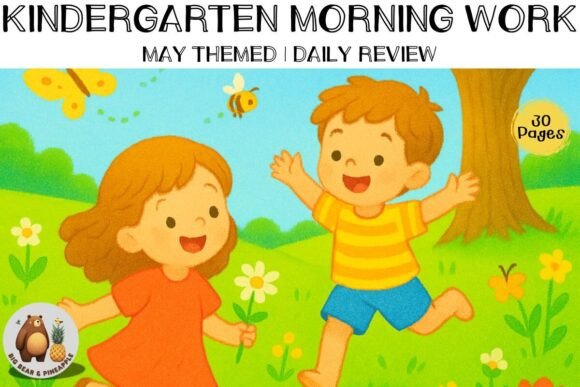
There’s a particular magic to a spring morning in a kindergarten classroom—the buzz of anticipation, the energy of new growth. Capturing that feeling in a tangible, useful tool is the goal of the Kindergarten Morning Work May Themed packet. This isn’t just another worksheet collection; it’s a carefully designed experience. The visual personality is built on a foundation of soft, pastel hues that feel gentle and encouraging, paired with cheerful, simple illustrations of flowers, suns, butterflies, and picnic scenes. The overall aesthetic is clean and uncluttered, prioritizing clear instructions and ample white space for little hands to work. It’s a design that says, “Let’s have fun learning,” without overwhelming its young audience.
Where This Resource Truly Shines: Applications and Fit
Evaluating whether the Kindergarten Morning Work May Themed packet is the right fit for your project or classroom is about more than just the cute graphics. Its strength lies in its structured, purposeful design. The 30-page set is built for consistency, providing a predictable framework that helps children transition into learning mode. Each page is a self-contained activity, making it perfect for morning tubs, independent work stations, or as a focused literacy and math center. The pastel color palette isn’t just aesthetically pleasing; it’s a conscious design choice to reduce visual noise and help young learners focus on the task—whether it’s tracing a letter, counting domino dots, or coloring a spring scene.
For educators and homeschool parents, the real-world value is in the daily skill review. The activities are intentionally sequenced to build confidence. You’ll find pages that move from simple Read & Color tasks to more involved sentence writing prompts using spring vocabulary. The inclusion of specific phonics practice, like the “Super E” and “Super AY” word work, demonstrates an understanding of curriculum alignment. This resource works best where routine and skill reinforcement are key. It’s less about one-off creative flair and more about consistent, reliable practice that supports a broader educational journey. Think of it as a foundational design asset for early childhood learning environments.
The Anatomy of Effective Educational Design
What makes a piece of educational material like this not just functional but genuinely effective? It’s a blend of visual hierarchy, clarity, and psychological appeal. The Kindergarten Morning Work May Themed packet excels here. The use of color words and shape recognition exercises isn’t random; it’s a deliberate integration of learning modalities. The illustrations serve as gentle cues and rewards, tying the abstract practice of addition and subtraction to the concrete, joyful world of spring. This thoughtful approach influences more than just task completion; it shapes a child’s brand perception of learning itself, framing it as engaging and accessible.
When selecting or creating such resources, practical guidance is essential. Look for a clear font pairing—typically a simple, highly legible sans serif font for instructions and a friendly, perhaps slightly rounded script font for titles or decorative elements. This ensures readability is never compromised for style. Evaluate the flow: do the activities progress logically? Is there a mix of literacy and math centers to maintain engagement? For commercial sellers or designers creating similar products, understanding the commercial font licensing behind the graphics and typefaces used is non-negotiable. A premium font with proper licensing elevates professionalism and protects your work.
Ultimately, the power of a resource like this is in its consistency and professionalism. It provides a structured yet delightful framework that children can rely on, which in turn supports teachers and parents in fostering routine. The seasonal theme isn’t just decoration; it’s a hook for audience engagement, connecting academic exercises to the child’s immediate world. Whether you’re a teacher setting up your May stations, a homeschool parent seeking seasonal skill practice, or a designer observing how modern typography and illustration principles are applied in educational contexts, this packet offers a masterclass in purposeful, child-centered design. It’s a reminder that the best educational tools are those built with both the learner’s mind and heart in mind.