US Deer Duck Fish Hunting Svg: A Designer's Practical Guide
When you're building a brand for an outdoor lifestyle, a hunting lodge, or a fishing charter, the right visual assets are everything. You need something that feels authentic, rugged, and immediately communicates your niche. That's where a versatile set like the US Deer Duck Fish Hunting Svg comes into play. It's not just a collection of images; it's a toolkit for creating a cohesive brand identity that resonates with a specific audience.
Understanding the Asset: More Than Just Clip Art
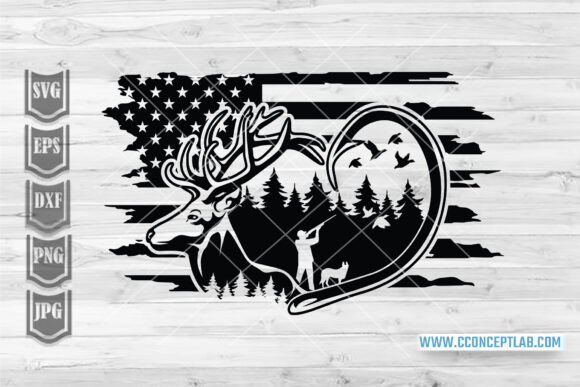
At its core, this is a digital download package designed for creators. The files include SVG, PNG, EPS, and JPEG formats, making them compatible with everything from Cricut Design Space to Adobe Illustrator. The key feature for crafters and designers is the layering. SVG files are layered per color only, which simplifies editing for projects like vinyl cutting or screen printing. For a black design, layers are merged into one clean vector. For colored designs, layers are merged per color, giving you control over individual hues without a complex file structure.
The PNG files are on a transparent background, which is crucial for layering graphics over photographs or other design elements in your web design or social media graphics. The JPEG files are on a white background, ready for quick mockups or printing. With a scalable vector base and a high resolution of 300 dpi at 13x16 inches, these assets are built for professional output, whether you're creating large-format prints or small decals.
Strategic Applications for Your Brand and Projects
Think about the projects where this hunting and fishing theme shines. For logo design, a clean, layered SVG of a deer or duck can become the cornerstone of a brand mark for a guide service, a sporting goods store, or a outdoor apparel line. The ability to extract individual color layers means you can adapt the logo for different backgrounds or merchandise colorways.
In packaging design, these graphics add instant personality. Imagine a duck silhouette on a jerky bag or a fish motif on a tackle box label. The transparent PNGs make it easy to integrate these elements into your existing label layouts. For editorial design—think hunting magazines, blogs, or e-books—these vectors can be used as spot illustrations, chapter headings, or decorative borders that reinforce the content's theme.
Small business owners and entrepreneurs can leverage these files for merchandise. Using a craft machine like a Silhouette, you can cut vinyl decals for truck windows, create stencils for painting signs, or produce iron-on transfers for t-shirts and hats. The commercial licensing typical of such design assets often allows for selling finished products, making this a practical investment for side hustles and established shops alike.
Making It Work: Practical Design Considerations
Choosing the right asset is only half the battle. Integrating it effectively is what separates good design from great. First, consider visual hierarchy. If the deer graphic is your focal point, pair it with a clean, sans serif font for body text to maintain readability. A bold, display font for headlines can complement the ruggedness of the hunting theme without competing for attention.
Font pairing is critical here. Avoid overly decorative or script fonts for primary information; they can clash with the illustrative style and reduce legibility. Instead, use them sparingly for accents. Test how the graphic's line weight interacts with your chosen typeface. A detailed, realistic illustration might pair better with a sturdy, modern serif font, while a simplified, graphic silhouette could work well with a geometric sans serif.
Always test the files in your intended medium. Open the SVG in your vector program to check the color layers. Place the PNG over a textured background in your layout software to ensure it composites correctly. Print a small test batch of a decal to verify the cut lines are clean. This hands-on testing prevents costly mistakes down the line, especially when moving to commercial production.
Finally, remember the audience. This aesthetic appeals to a demographic that values tradition, nature, and craftsmanship. Your overall design—typography, color palette, layout—should reflect that. Muted earth tones, weathered textures, and confident, straightforward typography will create a more authentic and engaging brand identity than something overly sleek or modern. The US Deer Duck Fish Hunting Svg provides the core visual language; your job is to build the complete, coherent story around it.