Blue Flower Pattern Chinese Ornament: A Designer's Guide
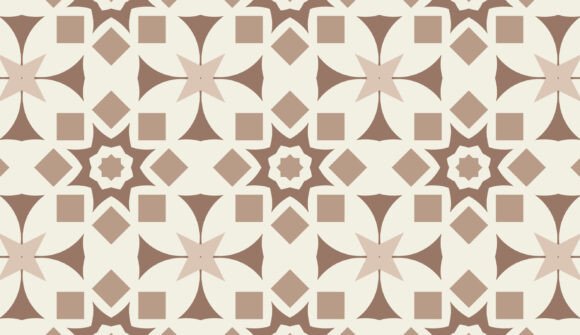
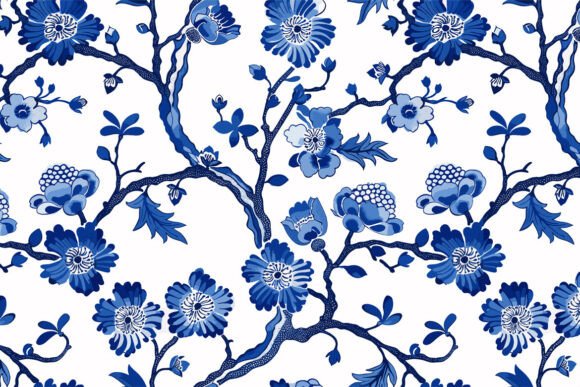
There's a particular kind of visual calm that comes from a well-executed pattern. It doesn't shout for attention, but it holds the eye, creating a sense of place and sophistication. The Blue Flower Pattern Chinese Ornament is one of those designs. At its heart, it's a seamless pattern that draws from centuries of Chinoiserie artistry, translating intricate floral motifs and classic Asian ornamental elements into a versatile digital asset. The personality of this pattern is one of serene elegance. It carries a timeless quality, feeling both historically rooted and fresh for contemporary applications. The color palette, centered on a range of serene blues, from deep navy to soft sky tones, evokes a sense of tranquility and depth. This isn't a loud, chaotic print; it's a thoughtful composition where hand-drawn elements create a rhythm that feels organic and sophisticated.
Where This Pattern Truly Comes Alive
Understanding a design asset's strengths is key to using it effectively. The Blue Flower Pattern Chinese Ornament excels in projects where a touch of refined artistry is needed without overwhelming the core message. In interior design, it's a natural fit. Imagine it as a wallpaper in a boutique hotel lobby, creating an immediate impression of curated luxury. It translates beautifully onto textiles for throw pillows, blankets, or upholstery, adding a layer of texture and cultural depth to a space. For product designers and crafters, this pattern is a goldmine. It elevates simple packaging into something special—think cosmetic boxes, perfume branding, or artisan soap wraps. On stationery, from wedding invitations to journal covers, it provides an elegant backdrop that suggests quality and care.
In the digital realm, its utility is just as potent. For brand identity, particularly for businesses in wellness, spa, fine jewelry, or apothecary sectors, the pattern can serve as a core visual element. It can be used as a website background, a header graphic, or within social media templates to establish a cohesive, serene aesthetic. Bloggers and content creators can use it to design beautiful lead magnets, eBook covers, or podcast artwork that stands out in a crowded feed. The key is recognizing its role: it’s a supporting actor that elevates the entire production. It works best when paired with clean, modern sans serif fonts for body text or elegant serif fonts for headlines, ensuring the pattern's detail doesn't compete with legibility.
Practical Guidance for Designers and Creators
So, how do you actually work with a pattern like this? First, consider the file formats. The inclusion of a vector EPS 10 file is a significant advantage. It allows you to scale the pattern to any size—from a small label to a full wall mural—without any loss of quality. You can also easily recolor elements within the vector file to match a specific brand palette. The high-resolution JPG images with transparent backgrounds are perfect for quick mockups, layering in Photoshop, or use in presentations where vector editing isn't necessary.
When evaluating fit for a project, test the pattern at the intended scale. A pattern that looks delicate on a business card might become too busy on a large-format banner. Use it strategically. Often, a single accent panel or a section of a design is more powerful than covering everything. Think about font pairing. The ornate nature of the pattern demands simplicity in typography. A clean, geometric sans serif like Montserrat or a classic, readable serif like Garamond will create a pleasing contrast and maintain hierarchy. Avoid pairing it with other highly decorative or script fonts, which can lead to visual clutter.
From a licensing perspective, always check the terms. Most premium design assets like this come with licenses that cover both personal and commercial use, but specifics on print runs, merchandise, or distribution can vary. For entrepreneurs building a brand identity, ensuring you have the correct license for your intended use is non-negotiable professionalism. This pattern is more than just a pretty picture; it's a design asset that can contribute to a brand's perceived value, consistency, and recognition. It tells a story of craftsmanship and attention to detail, which can subtly influence how an audience engages with your brand, product, or publication.
Ultimately, the Blue Flower Pattern Chinese Ornament is a tool for adding a specific kind of elegance. It’s for the designer who needs to convey tradition with a modern twist, the entrepreneur looking for a distinctive visual hook, or the crafter wanting to produce something truly beautiful. Its strength lies in its versatility and its ability to inject a quiet, confident sophistication into any project it touches.